The AI Experimentation Era Is Over
Most organizations are dabbling in AI, but far fewer are moving beyond pilots to operationalize the technology in ways that deliver clear, measurable business value. In fact, KPMG’s Global AI Pulse report for Q2 2026 revealed that only 7% of organizations using AI are experiencing meaningful business outcomes with tangible growth opportunities.
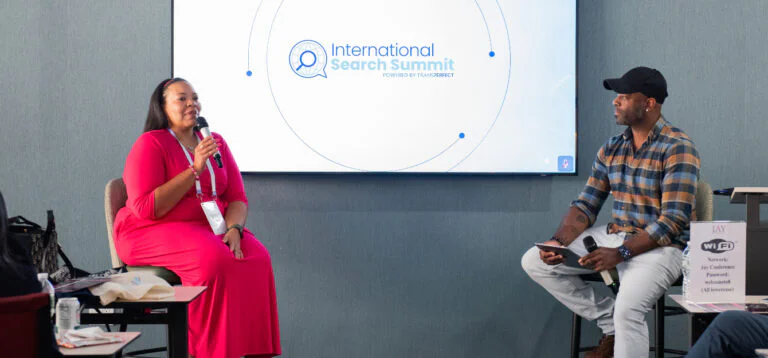
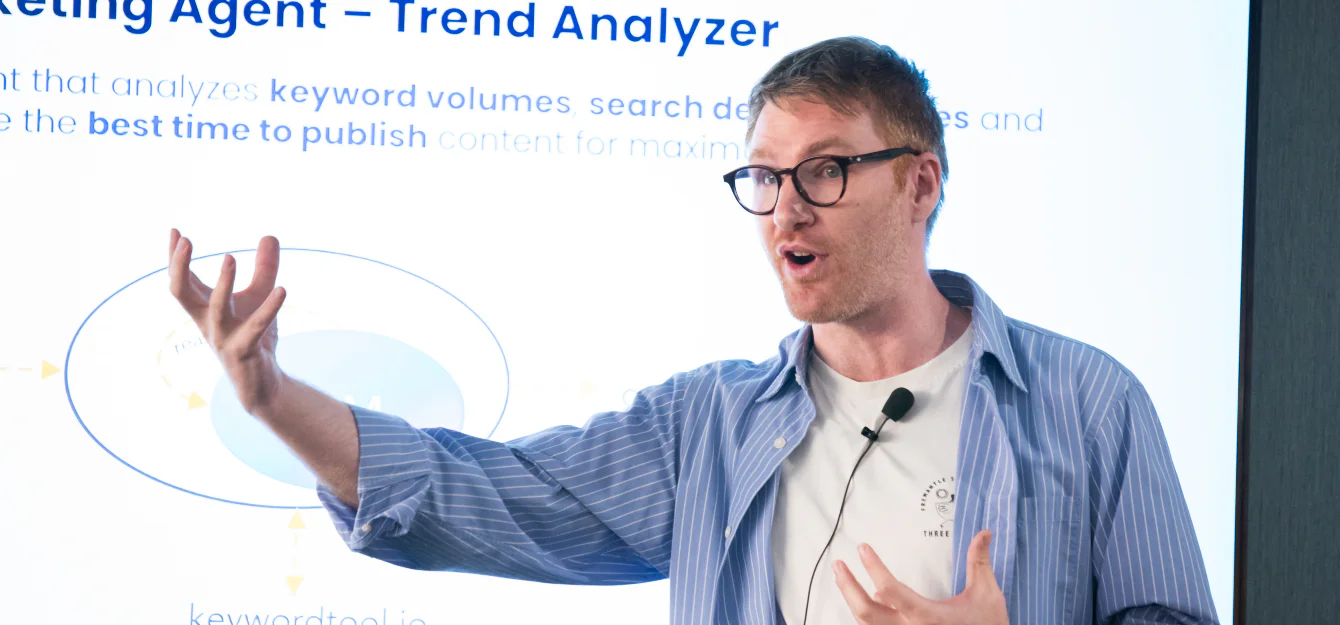
This gap represents a significant missed opportunity. At the International Search Summit New York 2026, I shared a roadmap for global marketing leaders to scale agentic AI across the marketing lifecycle, moving from isolated tools to orchestrated, integrated systems.
Let’s unpack the key principles and practical steps for moving from AI experimentation to true operational excellence.
What Is Agentic AI and Why Is It Different?
The conversation around AI is swirling with buzzwords, so here are a few key concepts worth understanding:
Generative AI creates content at scale, such as text, images, audio, and video.
Large language models (LLMs) like ChatGPT, Gemini, and Claude are trained on large amounts of text to understand and generate language. However, they need additional architecture to execute tasks such as keyword research.
Agentic AI is the next leap. AI “agents” are orchestrated systems that can reason, access contextual knowledge, trigger external tools, and complete marketing actions using real-world data.
With agentic AI, tools like ChatGPT, Claude, and Gemini can become part of connected workflows in which different models and technologies work together to pull in data, apply brand guidelines, generate content, and integrate with your analytics stack.
Watch my full session at the International Search Summit New York 2026 here:
From Pilots to Production: The Four Pillars of Operationalizing Agentic AI
1. Get the Definitions Right
Start by establishing a clear, shared understanding across your organization. Terms like “generative AI,” “LLMs,” and “agents” are often used interchangeably, leading to misalignment. Make sure marketing, IT, and leadership speak the same language and understand the capabilities and limitations of each AI component. This clarity helps reduce wasted resources and streamline collaboration.
2. Architect Workflows, Not Isolated Tools
Shift your mindset from deploying siloed AI tools to architecting end-to-end AI marketing workflows. Don’t limit AI to a single platform’s default interface or functionality. Instead, design systems where agents can connect, trigger, and coordinate with various tools, data sources, and business processes. This integration allows marketing to tackle real business challenges and generate impact at every stage of the lifecycle.
3. Build for Scaling (and Guardrails)
Scaling agentic AI requires careful selection and configuration:
- Choose the right tool for each job: AI tools have different strengths. Match models to languages, markets, and content types to achieve the best results for each use case.
- Give agents the right context: Provide consistent access to brand guidelines, tone of voice, and up-to-date business data so outputs remain relevant and compliant.
- Test and refine: Treat agent creation as an iterative process. Build in mechanisms to monitor performance and refine behavior over time to maintain accurate, high-quality results.
- Embed security and governance: Safeguard proprietary data, maintain walled-garden environments, and set clear boundaries for data usage and sharing, especially when integrating with external APIs.
4. Deploy Multi-Agent Teams
Design processes where specialized agents, each with a defined role, collaborate to complete more complex marketing workflows. Coordination between research, content, analytics, and design agents can create more efficient and consistent processes that scale. Human oversight should remain at key junctures to provide strategic direction and ensure work quality.
What’s Next for Global Marketing Leaders?
The next phase of AI in marketing is about turning experimentation into everyday operations. For global marketing leaders, that means building intelligent AI marketing workflows that bring together the right models, tools, data, and human expertise.
Agentic AI gives marketers new ways to extend their capabilities, but realizing its potential requires a more connected approach. Key priorities include:
- Designing systems that go beyond individual prompts and isolated tools.
- Selecting the right LLMs for each channel and market.
- Maintaining human oversight to guide strategy and ensure compliance.
- Creating a culture of learning, iteration, and continuous improvement.
As agentic AI evolves, marketers will play an active role in shaping how these systems support their teams and business goals. The opportunity is to create smarter, more scalable ways of working while keeping people at the center of strategy and decision-making.
Ready to move from AI pilots to integrated marketing operations? TransPerfect Digital can help you build and embed agentic AI into your workflows. Get in touch.
Explore More
- Check out our upcoming events.
- Learn more in our blog post, AI Opportunities for Marketers: How to Thrive Amid Industry Disruption.
- Want to see how we’ve helped our clients leverage AI? View our AI case studies.